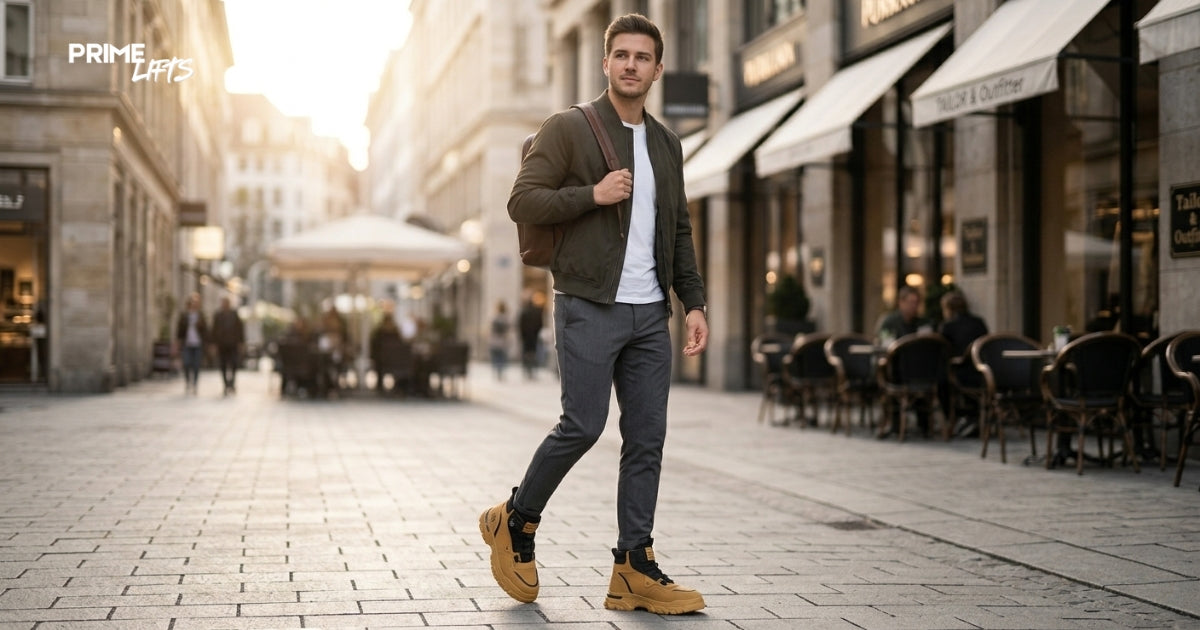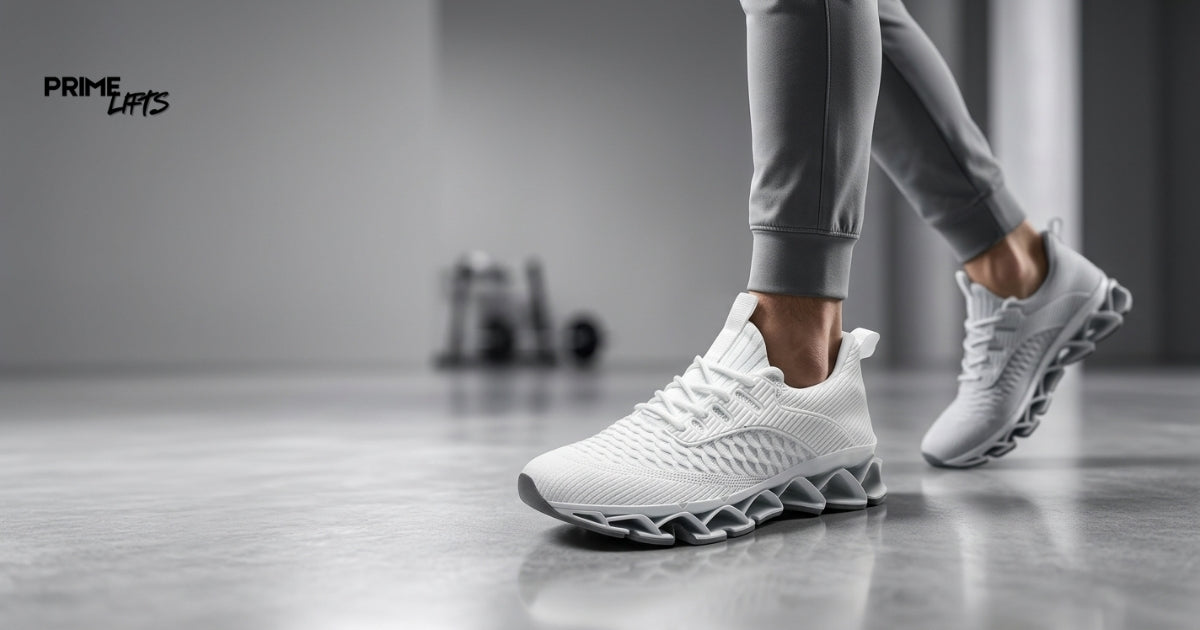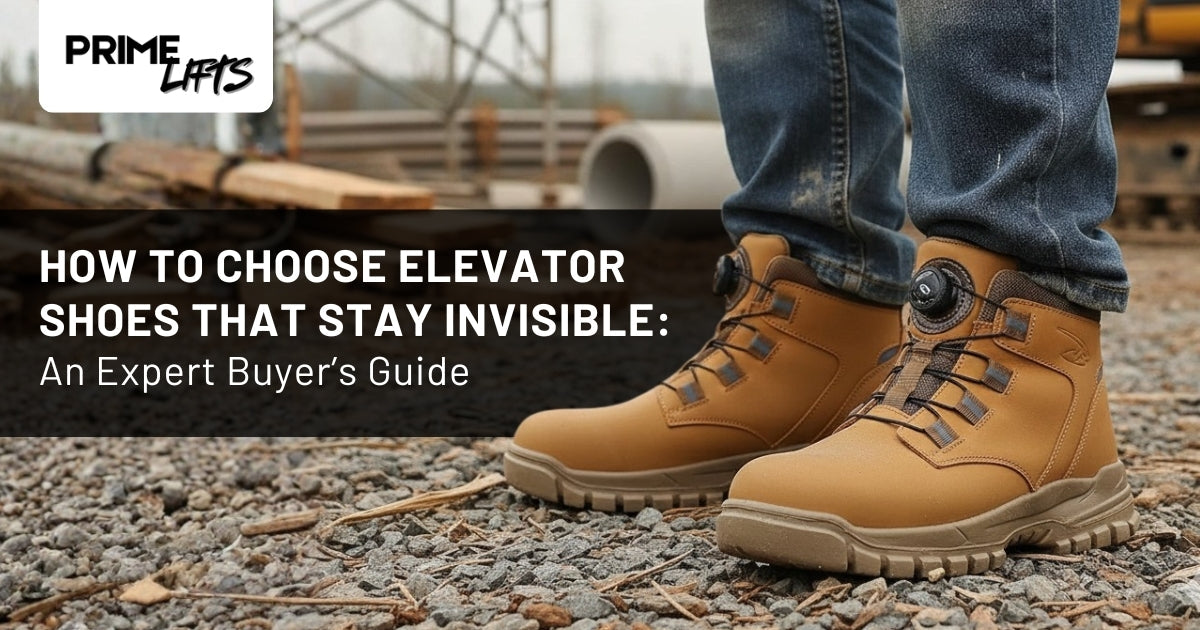
To choose elevator shoes that stay invisible, focus on the shoe’s silhouette and heel design. Look for mid-top height-boosting sneakers that naturally cover the internal lift. Avoid "chunky" heels that scream for attention. Instead, pick styles with a tapered ankle and a gradual incline. High-quality height-increasing shoes prioritize a natural walking gait and ergonomic support, ensuring your secret stays safe while you enjoy a boost in height and confidence.
I’ve spent over two decades helping people stand a little taller. If there’s one thing I’ve learned, it’s that the biggest fear isn't about being short; it’s about being "found out." You want those extra three inches, but you don't want your shoes to look like heavy bricks or medical equipment.
We’ve all seen those poorly made shoes that make it obvious someone is standing on a platform. They look stiff, they feel clunky, and they make your walk look like you’re balancing on stilts. But here’s the good news: the technology has changed. Modern elevator shoes are now so sleek that even your closest friends won't notice them.
The Secret is in the silhouette.
When you’re looking for shoes that make you look taller, the shape of the shoe is your best friend. A flat, low-cut loafer is hard to hide a lift in because the back of your heel will sit too high, almost popping out of the shoe.
Instead, I always recommend starting with height-boosting sneakers that have a mid-top or high-top design. This extra material around the ankle provides a “garage” for the internal lift. It keeps your foot secure and hides the fact that your heel is elevated several inches above the ground.
Why Design Matters
1. The Counter Pocket: This is the back part of the shoe. It needs to be deep enough so your heel doesn't slip out.
2. The Outsole: Look for shoes where the outer sole looks like a normal sneaker. If the rubber on the bottom is four inches thick, it’s a dead giveaway.
3. The Incline: High-quality brands use a gradual slope. Think of it like a gentle hill rather than a steep cliff for your foot.
Don't Forget the "Natural Walk"
One of the biggest mistakes people make when buying height-increasing shoes is ignoring how they actually move. If the shoe is too heavy or the lift is poorly angled, you’ll end up walking with a "peg-leg" motion.
Proper foot mechanics are essential for avoiding back pain and maintaining a natural stride. When your shoes are designed correctly, your foot should roll from heel to toe just like it does in standard footwear.
When I test a new pair of lifts, I always look for flexibility in the forefoot. If the shoe is stiff as a board, everyone will notice your awkward gait. Seek out lightweight materials like high-grade mesh or soft leather that move with you.
|
Feature |
Cheap Elevator Shoes |
Premium Hidden Lifts |
|
Weight |
Heavy and tiring |
Lightweight materials |
|
Insole |
Hard plastic or foam |
Ergonomic memory foam |
|
Look |
Bulky "clown shoe" vibe |
Indistinguishable from sneakers |
|
Durability |
Lifts compress quickly |
Maintains height for years |
Fashion Tricks to Enhance the Illusion
Your shoes are only half the battle. How you style them determines how "invisible" they really are.
1. The Right Pants are Non-Negotiable
You don't want skinny jeans that wrap tightly around the ankle of your elevator shoes. This highlights the bulk of the shoe. Instead, go for a "slim-straight" or "tapered" fit. The hem of your pants should rest naturally on the top of the shoe, covering the opening. This creates a seamless vertical line that makes your legs look miles long.
2. Avoid High-Contrast Soles
If you have a black shoe with a bright white, three-inch platform, the eye is naturally drawn to the height of that sole. For the most discreet look, choose monochromatic styles. A black-on-black sneaker or an all-white leather trainer blends the sole and the upper together, making it impossible for someone to eyeball the exact height of the shoe.
3. Confidence is the Final Layer
It sounds cheesy, but it’s true. If you’re constantly looking down at your feet or worrying about your shoes, people will notice. Quality footwear should give you a boost in posture. Standing tall actually helps your health; as noted by Healthline, good posture reduces strain on your muscles and improves circulation. When you feel comfortable, you stand straighter, and the height looks completely natural.
Materials: Why Quality Beats Price
I’ve seen many guys try to save twenty bucks by buying cheap knock-offs. The problem? Those shoes use cheap foam for the lifts. Within a month, that three-inch boost turns into a one-inch squish.
Expert-level shoes, like the ones we develop at Prime Lifts, use high-density inserts that don't lose their shape. We also focus on breathability. Because your foot is angled differently, it can get hot. Look for moisture-wicking liners that keep your feet cool even if you’re wearing them for a 12-hour shift.
When to Wear Them
The beauty of modern height-boosting sneakers is their versatility. You can wear them to:
* First Dates: Give yourself that extra edge of confidence without overthinking it.
* Job Interviews: Research shows that taller individuals are often perceived as more authoritative.
* Weddings and Events: Perfect for when you know there will be a lot of photos.
Your Invisible Advantage
Choosing the right shoes doesn't have to be a guessing game. Focus on a silhouette that covers your heel, a lightweight design that protects your natural walk, and a style that matches your existing wardrobe.
You deserve to feel your best every time you step out the door. Whether you're looking for a subtle two-inch lift or a significant three-inch boost, the goal is always the same: height without the hype.
Ready to upgrade your rotation with shoes that actually work? Check out our latest collection of discreet, high-performance footwear. Experience the perfect blend of style and height today.
Shop the Prime Lifts Collection now.
Frequently Asked Questions
1. Can people actually tell I’m wearing elevator shoes?
Not if you choose the right design. The secret to "invisibility" lies in the silhouette. By opting for shoes with a tapered ankle and a gradual internal incline, the lift remains hidden within the structure of the shoe. Avoid bulky, "chunky" heels, which are a dead giveaway; instead, look for styles that mimic the profile of standard premium footwear.
2. Will elevator shoes make me walk differently or look stiff?
Poorly constructed height-increasing shoes can lead to a "clunky" gait, but high-quality options are engineered for ergonomics. Expertly designed elevator shoes prioritize a natural walking gait by using flexible materials and supportive insoles. This ensures you move fluidly and confidently, rather than looking like you’re balancing on platforms.
3. Which shoe style is best for hiding a significant height boost?
Mid-top height-boosting sneakers are often the best choice for beginners or those seeking maximum discretion. The slightly higher collar of a mid-top naturally wraps around the ankle, providing extra room to cover the internal lift without the shoe looking unnaturally deep or "thick" at the heel.
4. Are these shoes uncomfortable to wear for a full work day?
While cheap lifts can feel like "medical equipment," professional-grade elevator shoes focus on ergonomic support. Because they are built with the lift integrated into the shoe’s architecture rather than just a loose insert, they provide better arch support and weight distribution, making them comfortable for all-day wear.
5. How do I avoid the "platform" look that makes some shoes obvious?
The key is to avoid shoes with a flat, thick external sole. Instead, look for designs where the height is concealed internally and the external sole has a standard, tapered appearance. A gradual incline inside the shoe prevents the "brick" look and keeps your secret safe.
6. What should I look for in the heel design to ensure it stays discreet?
Look for a heel that flows naturally into the rest of the shoe's silhouette. You want a design that avoids a sharp, blocky drop-off. A tapered heel and a well-proportioned midsection ensure that the extra height looks like a natural part of the shoe’s aesthetic rather than an added-on platform.